evaluation for bursitis, instability, or nerve deficits) Imaging: X-rays : Evaluate implant position, bone healing, and prosthesis stability MRI or CT scans : Identify soft tissue issues (tendonitis, bursitis, muscle atrophy), prosthetic complications, or scar tissue Ultrasound : Examine for fluid collections, bursitis, and guide injections Bone scan : Assess for infection or loosening Neurodiagnostics : EMG/Nerve conduction studies : Used if nerve injury, neuropathy, or radiculopathy is suspected Intraoperative and postoperative neuromonitoring can identify early nerve issues and optimize patient outcomes Non-Surgical Treatments Rest and activity modification Physical therapy focusing on flexibility, strength, and gait retraining NSAIDs or acetaminophen for pain and inflammation Corticosteroid or local anesthetic injections for persistent tendonitis or bursitis Assistive devices if needed during acute flare-ups Holistic and Innovative Treatments for Post-Operative Hip Pain Anti-Inflammatory Nutrition Counseling A customized plan emphasizes: Omega-3-rich fish and flaxseed Leafy greens, berries, nuts, and seeds Spices like turmeric and ginger Minimizing processed food and sugars to reduce systemic inflammation and support healing Shockwave Therapy Modern shockwave devices target persistent pain areas, enhancing tissue regeneration and blood flow to support healing for tendonitis, bursitis, or muscle pain

The need to reshape global food processing: a call to the United Nations Food Systems Summit
BudreviciuteADamiatiSSabirDKOnderKSchuller-GoetzburgPPlakysGet al
Improved Mobility & Performance Recovery Athletes and active adults often look for ways to recover faster and return to activity sooner
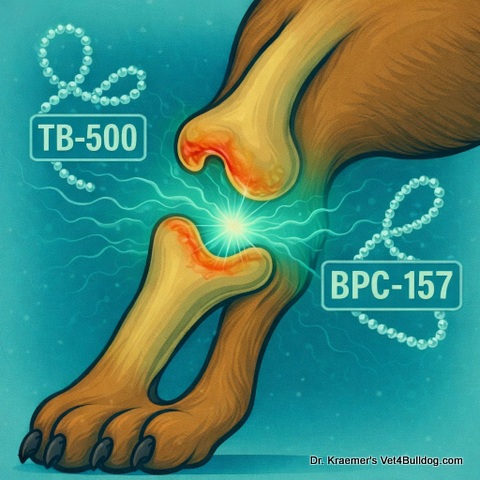
How This Works BPC-157 is a synthetic peptide corresponding to a partial sequence of human gastric juice protein [2]