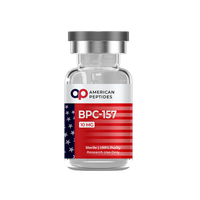
Key Takeaways: - Learn how legitimate bpc-157 is tested - Red Flags: Signs You're Looking at Fake or Low-Quality BPC-157 - Understand what good test results look like - Discover why source matters more than price This guide covers how legitimate peptides are tested, what to look for in test results, and the red flags that signal a product you should avoid
If you do opt for a self-test, make sure you check for the following: Check the test covers 'active B12' (the amount available for your body to use) rather than 'total B12' levels Check the blood testing laboratories used to test them are accredited by UKAS
Some vendors sell oral peptides, but the bioavailability is extremely low compared to injection
These regenerative compounds are redefining how we treat soft-tissue injuries, inflammation, and post-surgical healing
Protocol addition: GHK-Cu: 12mg/day subcutaneous injection Can be drawn into the same syringe as BPC-157 (compatible reconstitution solvents) Full Disc Recovery Protocol: Phased Approach Because you're managing active injury recovery alongside a return-to-training goal, a phased approach works better than starting everything simultaneously