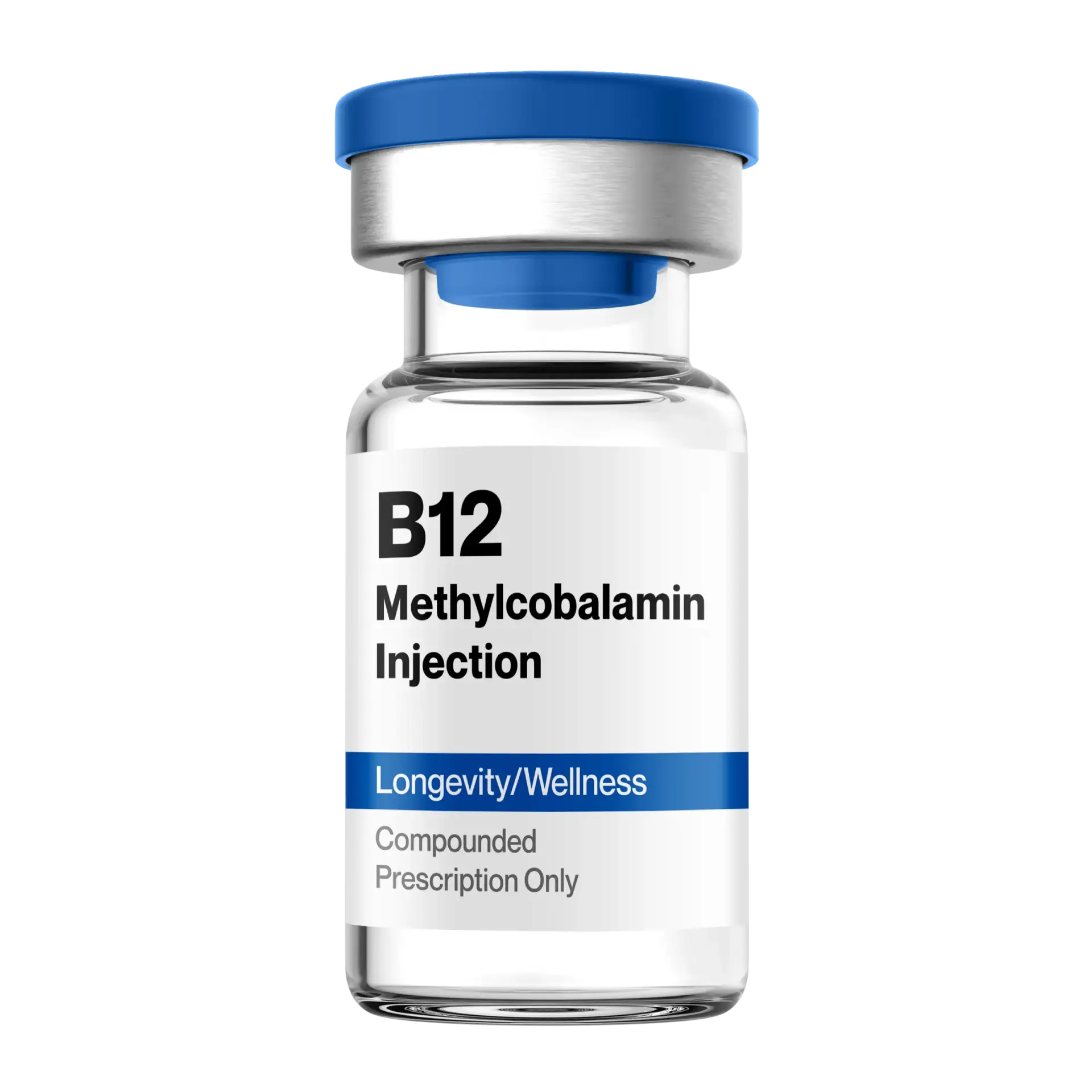
You should discuss B12 testing with your GP if you experience : Unexplained fatigue, weakness, or symptoms of anaemia Neurological symptoms such as paraesthesia, numbness, balance problems, or memory difficulties Unexplained macrocytic anaemia (identified on full blood count) Glossitis, angular cheilitis, or persistent mouth ulcers Unexplained neuropsychiatric symptoms including depression or cognitive changes Certain groups are at higher risk and may benefit from proactive testing: Dietary factors : Vegans and strict vegetarians, as B12 is found predominantly in animal products Gastrointestinal conditions : Individuals with pernicious anaemia, coeliac disease, Crohn's disease, or previous gastric surgery Medication use : Long-term users of metformin (MHRA advises monitoring B12 levels) or high-dose/long-term proton pump inhibitors (PPIs), which can impair B12 absorption [10] Age : Older adults (over 65 years) due to increased risk of atrophic gastritis and reduced gastric acid production [7] [11] Autoimmune conditions : Those with thyroid disease or type 1 diabetes, who have increased risk of pernicious anaemia [22] If you fall into a high-risk category but are asymptomatic, discuss with your GP whether testing is appropriate

Theyll ask you about your symptoms, and they may do a physical exam
Cyrus Sedaghat Recommends Liver Support The liver is the primary filtration system of the human body and the command center for fat metabolism
B12 is one piece of the energy puzzle This is worth saying clearly: B12 matters, but it's not the whole story
It also prevents certain types of anemia by keeping nerves and red blood cells healthy, which allows increased red blood cell production and, in turn, increases their oxygen-carrying capacity