Sonocatalysis-responsive nanodrug platforms for radioimmunotherapy against breast cancer

Key Points NAFLD/NASH is highly comorbid with psychiatric disorders and can have myriad intersecting genetic and environmental causes Smoking, sedentary lifestyle, high fat/obesogenic diets, food insecurity and other socioeconomic factors contribute to incidence of NAFLD in patients with mental illness Insulin resistance, with or without obesity, increases the incidence of NAFLD/NASH Systemic inflammation, characteristic of chronic diseases such as obesity and diabetes, contributes to both mood disorders and NAFLD/NASH Psychiatric medications including SSRI antidepressants and atypical antipsychotics are associated with increased risk for NAFLD/NASH Psychiatric medications increase NAFLD/NASH through diverse pharmacological mechanisms, some of which are distinct from medication associated insulin resistance As diagnosis is hampered by lack of robust, accessible clinical biomarkers and as there are currently no FDA-approved therapies for the treatment of NAFLD, additional research is needed to provide clinicians with robust diagnostic and therapeutic tools to enable patient care

Bilirubin, once a toxin but now an antioxidant alleviating non-alcoholic fatty liver disease in an autophagy-dependent manner in high-fat diet-induced rats: A molecular and histopathological analysis
How Your Gut Health Affects Your Whole Body
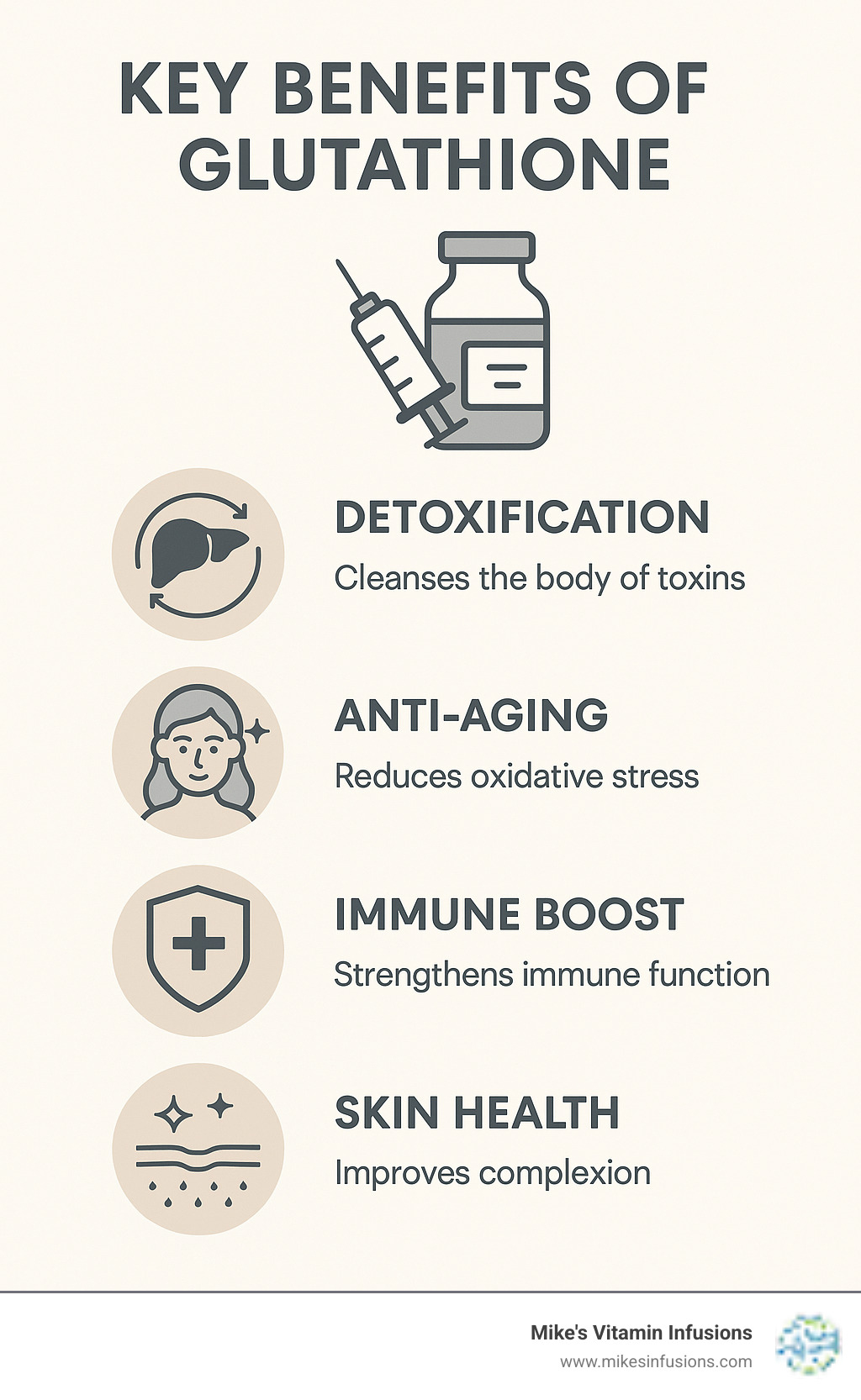
For more information about glutathione, click HERE Related products Sold Sold Select options This product has multiple variants