These include Cortex eucommiae, Folium artemisiae argyi, Glycyrrhiza uralensis, Euscaphis japonica, Ailanthus altissima, Dioscorea opposite, Angelica sinensis, Atractylodes macrocephala koidz and Scutellaria baicalensis [251]
These include vitamins, particularly B6, B12, C and E, and coenzyme Q10 (CoQ10)
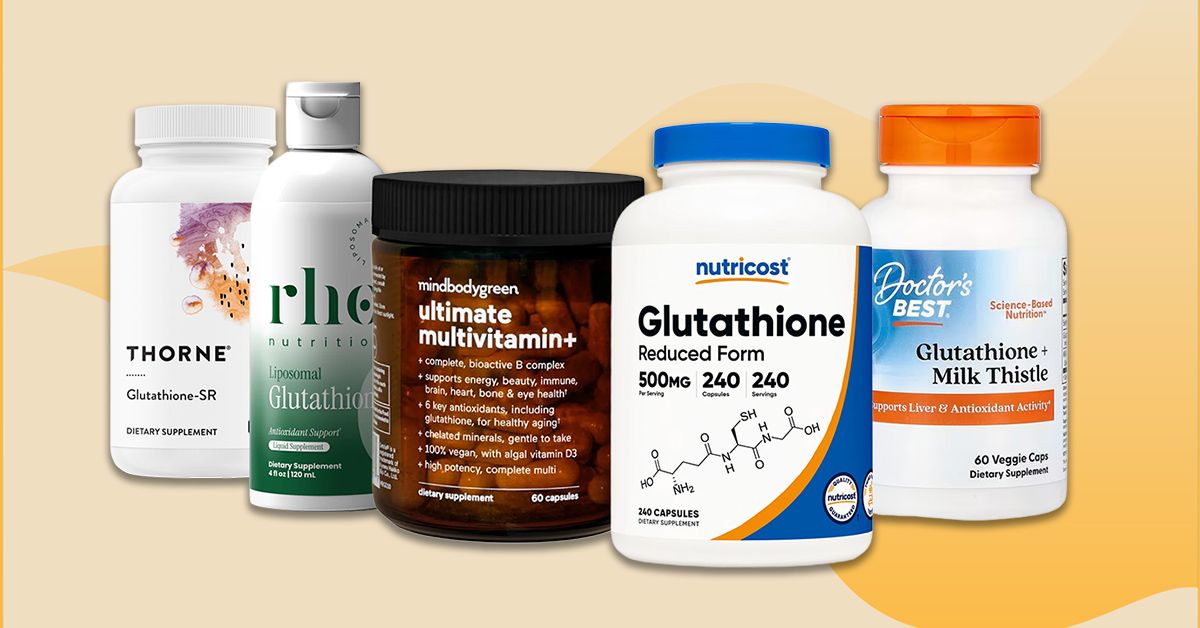
The scientific rationale for a nutritional approach Several studies have revealed in patients with vitiligo specific nutritional and biological characteristics that justify nutritional support: Major oxidative stress in melanocytes: justification for antioxidants (vitamin C, E, glutathione, selenium) More frequent deficiencies in vitamin D, vitamin B12, folate and zinc in several studies Melanin synthesis dependent on precursors (tyrosine, phenylalanine) and enzymatic cofactors (copper, zinc) Documented action of certain plants (Ginkgo biloba, Polypodium leucotomos) in randomized clinical trials What the nutritional approach does not do Let's be clear and honest: It does not cure vitiligo It does not replace medical treatments It does not work for all patients Results are not guaranteed What it can do Support the physiological mechanisms of repigmentation Address nutritional deficiencies commonly found Reduce oxidative stress documented in patients Enhance the efficacy of phototherapy according to several studies Fit into a holistic approach with healthy lifestyle habits and medical follow-up The nutritional approach is therefore positioned as a complementary tool , never central, but which can have its place in a comprehensive management plan

Reduced methylation due to functional B12 deficiency results in depression, anxiety and poor sleep - common symptoms in CFS Reduced methylation due to functional B12 deficiency, results in lower production of melatonin and poor maturation of the gut Chronic Fatigue Syndrome (CFS) or Myalgic Encephalomyalitis (ME) is an ill defined disease that is characterized by a post exercise tiredness or malaise
Choquequirao means cradle of gold in Quechua
:max_bytes(150000):strip_icc()/benefits-of-glutathione-89457_final-01-502464fe91b2444285b0cccf8cb0a33c.png)